.svg)
Frost Damage in Florida Lawns: How to Help Your Grass Recover
Cold fronts in Florida can leave lawns looking brown and stressed, but that doesn’t mean your grass is dead. Learn how frost affects warm-season grasses like St. Augustine and Bermuda, how to tell the difference between damage and lawn death, and the steps you can take—including proper fertilizer timing—to support a full recovery heading into spring.
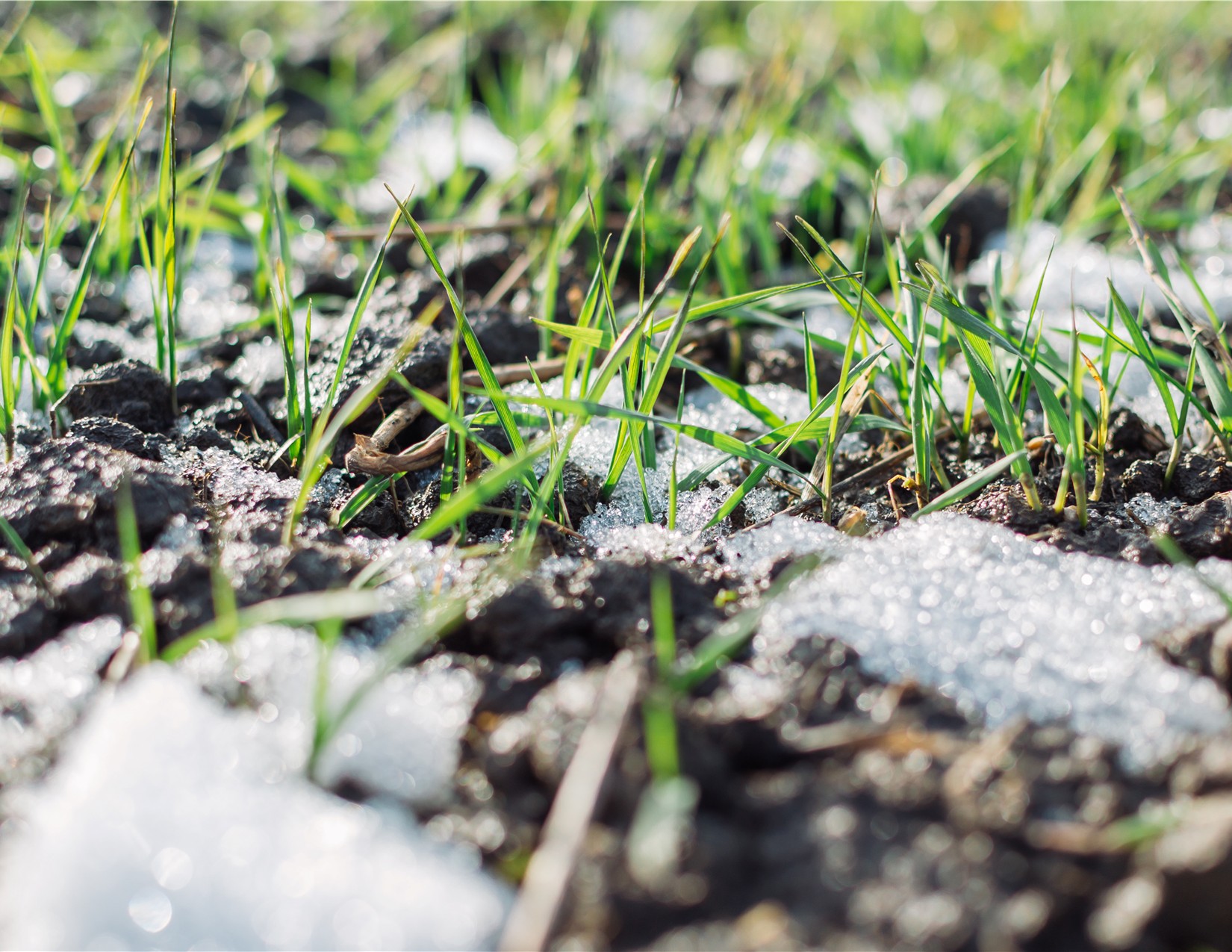
Frost Damage: How to Help Your Grass Recover
Florida may be known for sunshine and warm weather, but residents across the Tampa Bay region know winter cold fronts can still hit hard. When temperatures dip into the 40s, and especially when frost forms overnight, lawns throughout Pasco, Hillsborough, Pinellas, and Hernando counties can quickly turn brown.
If you’re seeing discoloration, you’re likely dealing with frost damage or cold stress, not a dead lawn.
At GrassMonkey, we believe education is just as important as application. Here’s what’s really happening beneath the surface, and how proper fertilizer timing plays a key role in lawn recovery.
Why Florida Grass Struggles Below 60°F
Most lawns in Central Florida are made up of warm-season grasses like:
- St. Augustine grass
- Zoysia grass
- Bahia grass
- Bermuda grass
These grasses thrive in heat and humidity, with optimal growing temperatures between 75°F and 95°F.
Once temperatures drop below 60°F, growth slows significantly. When we experience:
- Consecutive cold nights
- Temperatures in the 30s and 40s
- Wind-driven cold exposure
- Frost settling on leaf blades
the grass shifts into a protective state.
Bermuda grass, in particular, can show dramatic browning after frost events. While it may look severe, the damage is often limited to the leaf blades rather than the root system.
What Happens During Frost?
Frost forms when moisture on grass blades freezes. Ice crystals rupture plant cells, damaging leaf tissue. This is why you see:
- Browning or bronzing
- Wilted or water-soaked appearance
- Patchy discoloration
- Slower spring green-up
The damage is typically cosmetic, affecting the blades not the roots.
Frost Damage vs. Lawn Death: How to Tell the Difference
A common concern we hear in Tampa and Wesley Chapel is: “Is my lawn dead?”
Here’s how to check:
- If the grass pulls up easily with no roots attached, it may be dead.
- If it stays firmly rooted but looks brown, it’s likely cold-damaged.
In most Florida lawns, frost does not kill the crown or root system. Once soil temperatures consistently rise above 65°F, new growth begins from the base.
Patience is important, but so is the right recovery plan.
The Biggest Mistakes Homeowners Make After Frost
When lawns brown, it’s tempting to act quickly. But improper responses can delay recovery.
Avoid:
❌ Overwatering to “bring it back”
❌ Scalping the lawn
❌ Aggressive dethatching
❌ Assuming pests caused the issue
Cold-damaged grass is stressed. It needs support, not shock.
How Fertilizer Helps Lawns Recover from Frost Damage
As we move into March and lawns begin transitioning into active growth, strategic fertilizer application becomes critical for recovery.
Here’s why:
1. Replenishes Depleted Nutrients
Cold stress reduces nutrient uptake efficiency. A balanced granular fertilizer restores essential nutrients that fuel:
- Root growth
- Blade regeneration
- Even green-up
- Stronger turf density
2. Stimulates Root Activity
Healthy roots are the foundation of recovery. Proper fertilization supports deeper, thicker root systems, helping lawns bounce back faster as temperatures warm.
3. Improves Stress Tolerance
Balanced nutrition strengthens grass against upcoming stressors including spring heat, drought conditions, and pest pressure.
Timing Matters: Early-Season Fertilization in Florida
The key is applying fertilizer as the lawn begins its natural transition out of dormancy.
Ideal conditions include:
- Daytime temperatures consistently reaching the 70s
- Soil temperatures trending upward
- Signs of natural green-up beginning
GrassMonkey monitors local weather patterns across Tampa Bay to ensure granular fertilizer applications are timed for maximum effectiveness and long-term results.
Why Professional Lawn Evaluation Is Important
Not all browning is frost.
Sometimes cold stress exposes underlying issues like:
- Thinning from nutrient deficiency
- Soil compaction
- Early fungal disease
- Improper irrigation patterns
A professional inspection ensures the correct recovery plan is implemented, especially on larger properties across Tampa, Wesley Chapel, and surrounding areas where microclimates vary.
The Bottom Line: Brown Doesn’t Mean Broken
If your lawn looks brown after frost or temperatures under 60°F, don’t panic.
Cold damage is common in Florida lawns especially Bermuda, St. Augustine, and Zoysia, after strong winter fronts. With proper timing, balanced granular fertilizer application, and professional care, your lawn can recover fully and thrive heading into peak growing season.
If you’re ready to accelerate your lawn’s recovery and improve its health long-term, schedule a professional lawn evaluation with GrassMonkey today.
Your lawn survived the cold. Now let’s help it come back stronger than ever.