.svg)

Florida Irrigation & Pest Prevention: How Proper Watering Protects Your Lawn From Chinch Bugs & Summer Stress
Learn how proper irrigation helps prevent chinch bugs, lawn disease, drought stress, and turf damage during Florida’s hottest months. This comprehensive guide explains the connection between watering practices, lawn health, pest prevention, and summer turf resilience while helping homeowners identify early warning signs before major lawn damage develops.
Florida Irrigation & Pest Prevention: How Proper Watering Helps Protect Your Lawn From Chinch Bugs, Disease & Summer Stress
As Florida temperatures rise heading into summer, many homeowners begin noticing signs of lawn stress; brown patches, thinning turf, dry spots, and increased pest activity.
What most homeowners don’t realize is that irrigation plays one of the biggest roles in preventing lawn pests and protecting turf health during Florida’s hottest months.
At GrassMonkey Pest Control, we regularly see lawns struggle not simply because of heat, but because of improper watering practices that weaken turf and create ideal conditions for insects, disease, and long-term lawn damage.
Proper irrigation is one of the most important forms of pest prevention for Florida lawns.
Why Irrigation Matters More During Florida Summers
Florida lawns face extreme stress during late spring and summer due to:
- High temperatures
- Intense sun exposure
- High humidity
- Sandy soils
- Inconsistent rainfall
- Increased insect activity
Without proper irrigation, lawns quickly become drought-stressed and vulnerable to pest infestations.
When turf weakens from improper watering, it becomes easier for insects like chinch bugs, sod webworms, and other lawn pests to spread aggressively throughout the property.
Healthy lawns naturally resist pest damage better. Weak lawns become easy targets.
How Drought Stress Attracts Lawn Pests
One of the biggest misconceptions homeowners have is that pests are the original problem.
In many cases, lawn stress comes first and pests follow shortly after.
When grass becomes drought-stressed:
- Root systems weaken
- Turf loses density
- Grass blades lose moisture
- Soil temperatures rise
- Recovery slows dramatically
This creates the perfect environment for lawn insects to attack already weakened turf.
Stressed grass simply cannot defend itself as effectively.
Chinch Bugs Thrive in Dry, Stressed Lawns
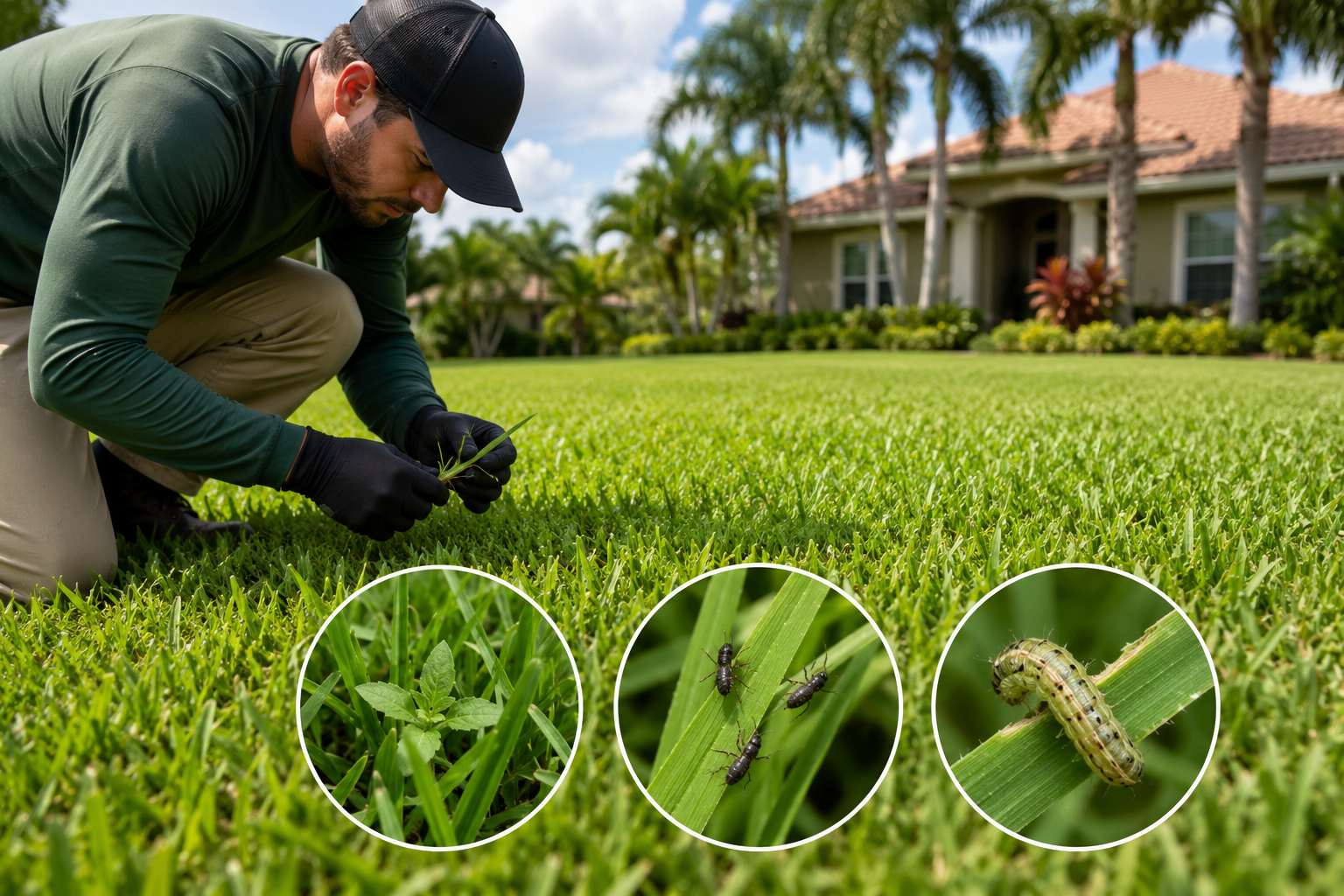
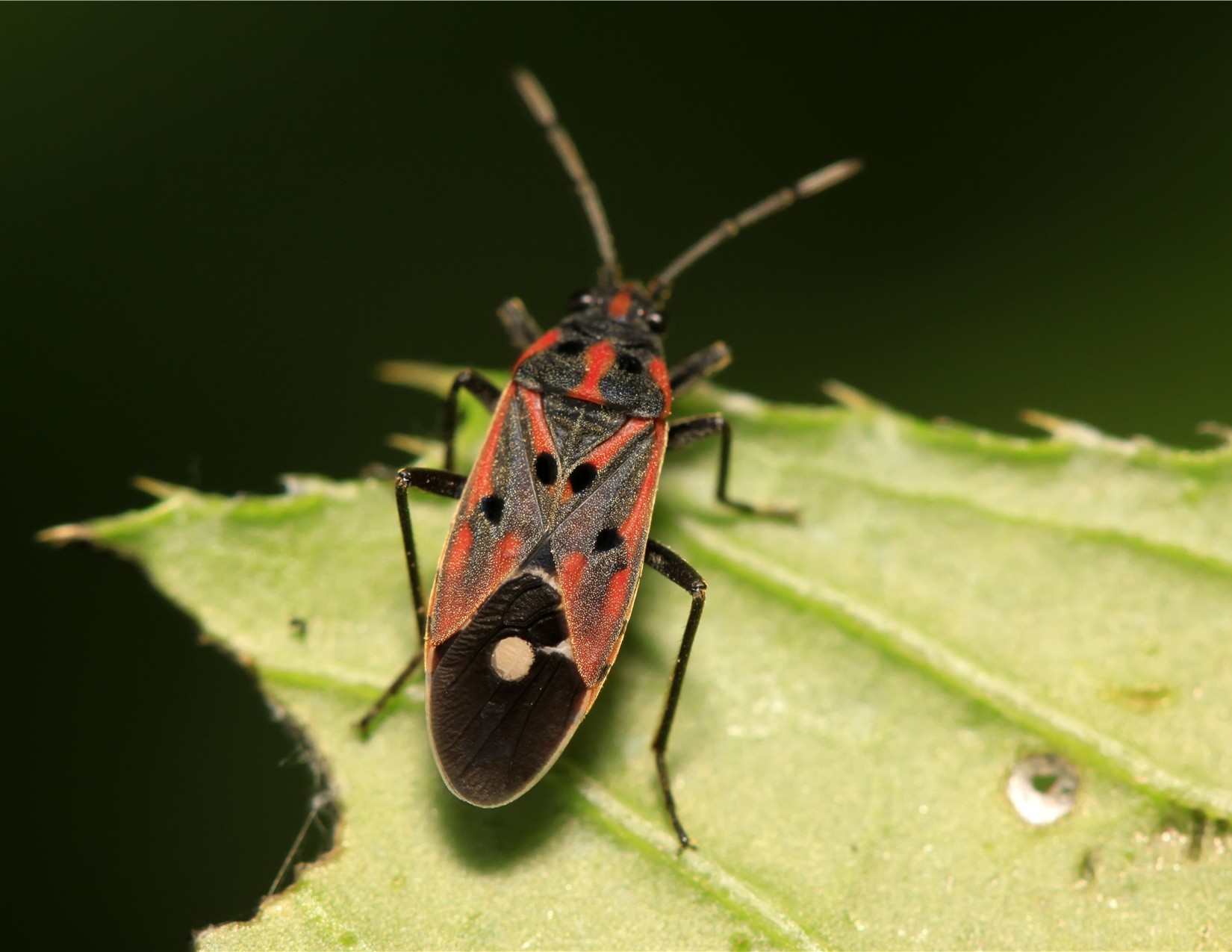
One of the most destructive lawn pests in Florida is the chinch bug.
Chinch bugs are especially attracted to:
- Hot conditions
- Dry turf
- Stressed St. Augustine grass
- Inconsistent irrigation
These insects feed by removing moisture directly from grass blades, causing turf to weaken even faster during summer heat.
As chinch bug activity spreads, homeowners often notice:
- Expanding yellow patches
- Brown or dry-looking turf
- Areas that appear drought-stressed
- Grass that does not recover after watering
Unfortunately, chinch bug damage and drought stress look very similar, which causes many homeowners to unintentionally make the problem worse by improperly adjusting irrigation.
The Problem With Overwatering
Many homeowners respond to lawn stress by simply watering more often.
But overwatering can actually increase pest and disease pressure.
Too much water can:
- Weaken root systems
- Encourage fungus and lawn disease
- Create excess humidity around the turf
- Increase mosquito activity
- Promote shallow root growth
- Reduce overall lawn resilience
Overwatered lawns often become soft, unhealthy, and more vulnerable to both pests and fungal outbreaks.
The Problem With Underwatering
Underwatering creates a different set of problems.
When lawns do not receive enough moisture:
- Grass enters drought stress
- Turf begins thinning
- Soil temperatures rise rapidly
- Root systems shrink
- Pest damage intensifies faster
Dry, weakened lawns are highly attractive to chinch bugs and other destructive lawn insects during Florida summers.
Proper Irrigation Is One of the Best Pest Prevention Tools
The healthiest lawns are typically the lawns receiving consistent, proper irrigation.
Correct watering helps:
- Strengthen root systems
- Improve drought tolerance
- Reduce turf stress
- Improve recovery from heat
- Support thicker grass growth
- Make lawns naturally more resistant to pests
A thick, healthy lawn creates fewer opportunities for insects to spread and establish large infestations.
The Proper Way to Water Florida Lawns This Time of Year
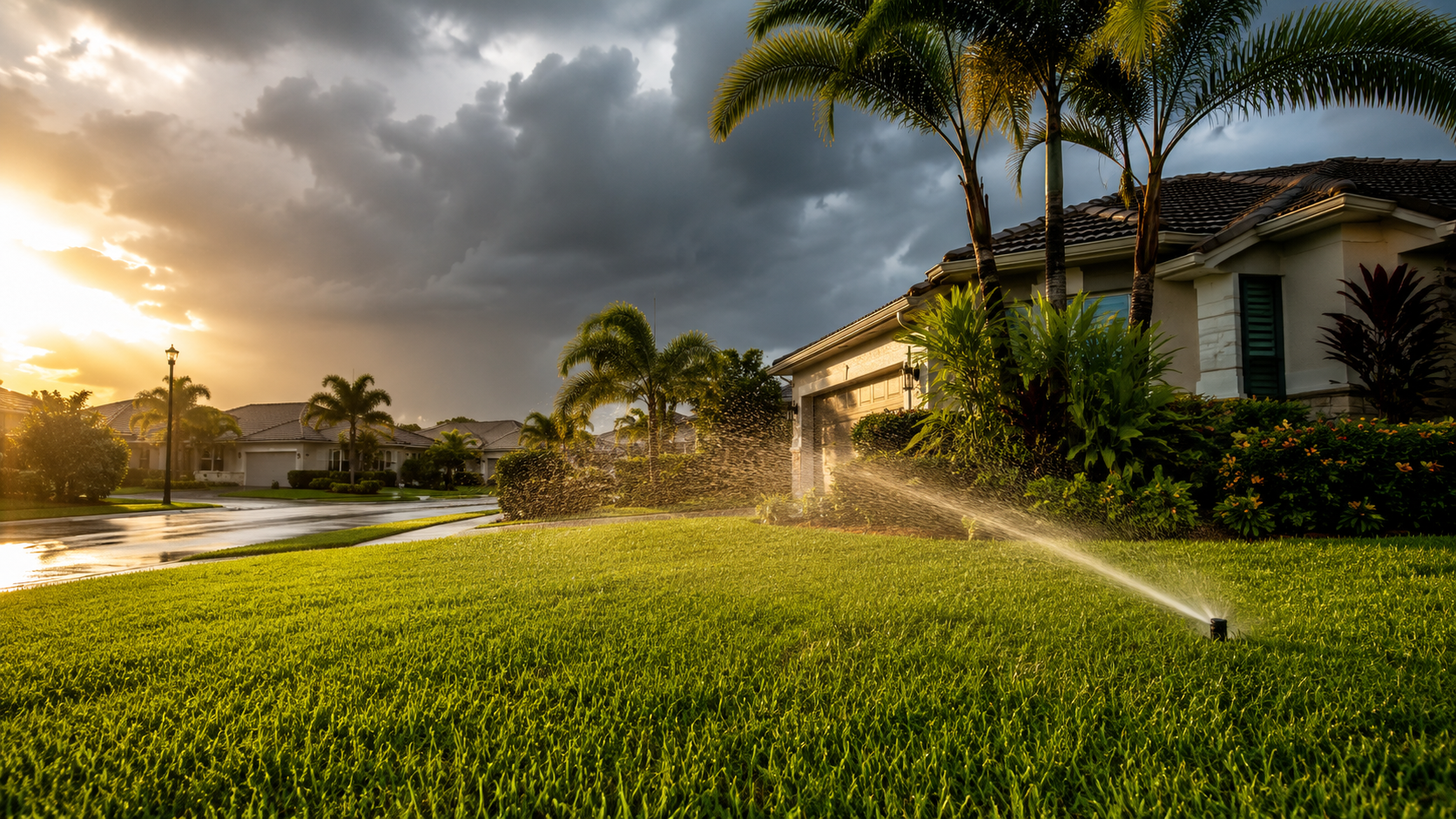
During late spring and summer, irrigation timing and consistency become critical.
Water Early in the Morning
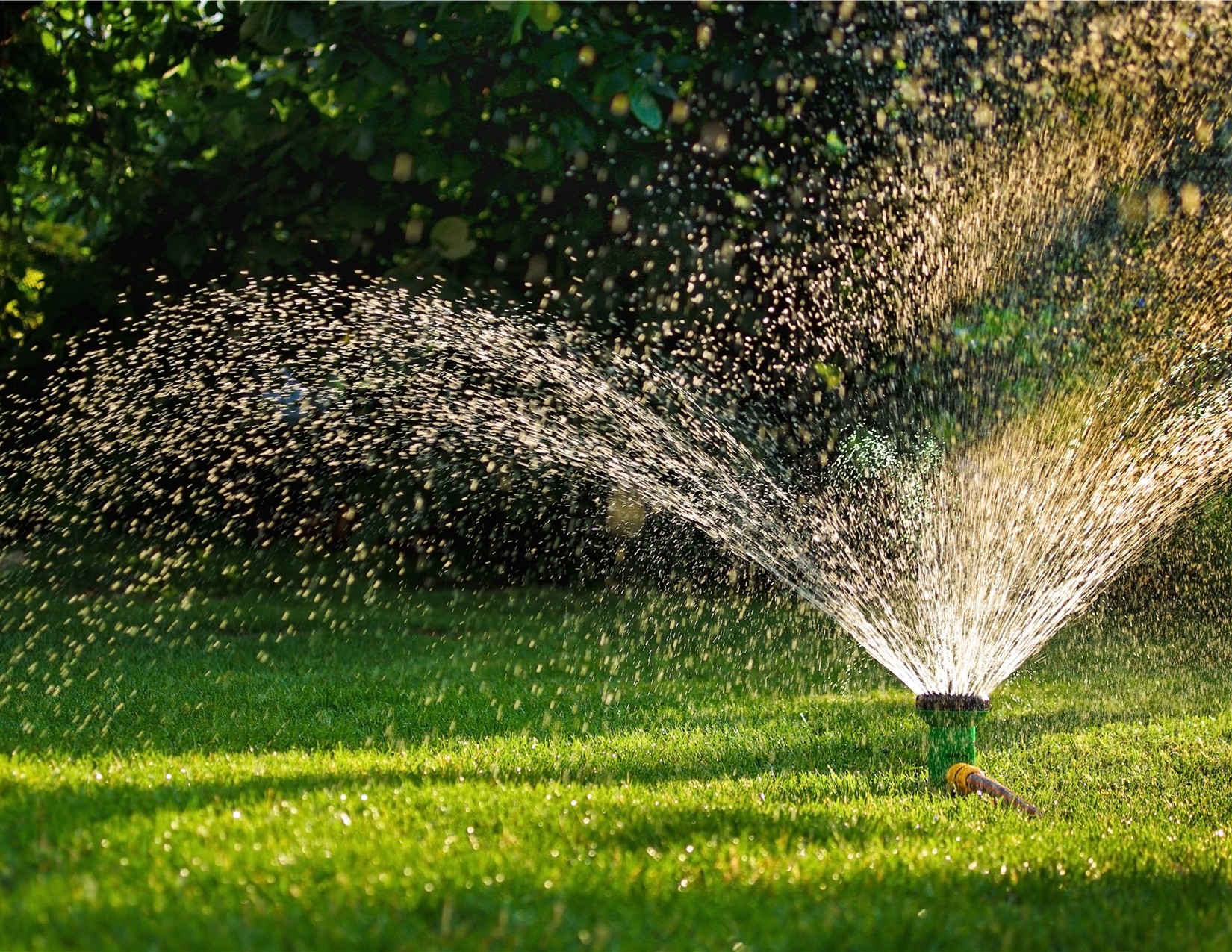
The best time to water Florida lawns is early in the morning, ideally allowing irrigation cycles to finish before sunrise whenever possible.
This helps:
- Maximize water absorption
- Reduce evaporation loss
- Prevent excess overnight moisture
- Lower fungal disease pressure
Watering during midday often leads to wasted water from evaporation, while evening watering can leave lawns damp overnight and increase disease risk.
Water Deeply, Not Constantly
One of the most common irrigation mistakes is frequent shallow watering.
Short daily watering cycles encourage:
- Weak root systems
- Shallow rooting
- Faster drought stress
- Poor heat tolerance
Instead, lawns benefit more from deep, even watering that encourages roots to grow deeper into the soil.
Deeper roots help turf better withstand:
- Heat stress
- Drought conditions
- Pest pressure
- Inconsistent rainfall
Monitor Your Lawn for Early Stress Signs
Florida lawns often give warning signs before major damage occurs.
Watch for:
- Grass blades folding inward
- Blue-gray turf color
- Footprints remaining visible
- Dry or brittle turf texture
- Areas thinning faster than others
These are signs irrigation adjustments may be needed before permanent turf damage develops.
Lawn Health & Pest Prevention Go Hand-in-Hand
One of the biggest takeaways homeowners should understand is this:
Pest prevention starts with lawn health.
Healthy, properly irrigated lawns are:
- More resilient against chinch bugs
- Better at recovering from heat stress
- Less vulnerable to disease
- Better able to crowd out weeds
- More resistant to environmental damage
Irrigation is not just about keeping grass green — it is one of the most important components of long-term pest prevention.
How Grass Monkey Helps Protect Florida Lawns
At Grass Monkey Pest Control, we help homeowners identify the connection between irrigation issues, lawn stress, and pest activity before major damage develops.
Our lawn and pest management programs help:
- Reduce pest pressure
- Prevent chinch bug damage
- Improve turf health
- Identify drought stress early
- Support stronger root systems
- Protect lawns during Florida heat
The sooner lawn stress is identified and corrected, the easier it becomes to prevent larger pest and lawn health problems later in the season.
Protect Your Lawn Before Summer Stress Gets Worse
Florida summer conditions can quickly turn minor lawn stress into major turf damage if irrigation and pest activity are ignored.
If your lawn is already showing signs of:
- Brown patches
- Dry or thinning turf
- Chinch bug activity
- Drought stress
- Uneven lawn color
- Irrigation issues
now is the ideal time to take proactive action before summer heat intensifies further.
Looking for professional pest prevention and lawn health services in Florida?
Contact Grass Monkey Pest Control today to learn how proper lawn care and irrigation management can help protect your property throughout the growing season.