.svg)

Drought Stress vs. Chinch Bugs: How to Identify the Real Cause of Lawn Damage
Learn how to identify drought stress vs. chinch bugs in Florida lawns. Discover key differences, warning signs, and the right solutions for healthy lawns.

Lawns in Florida face constant pressure from heat, sandy soil, and persistent pest infestation. One of the most common challenges homeowners face is telling the difference between drought stress vs. chinch bugs, especially since both are responsible for similar signs of damage across the lawn.
Brown patches, thinning grass, and areas that refuse to green up can look nearly identical, whether the issue is drought stress or chinch bugs. The real difference lies in what is happening beneath the surface, one issue caused by lack of moisture in the soil and the other by insects feeding on the grass and disrupting its ability to function.
This guide breaks down the key differences and helps you determine the right approach to restore your lawn to its healthy, green potential!
Key Takeaways
- Drought stress and chinch bug damage looks similar but are very different
- Drought stress improves with watering; chinch bug damage does not
- Bluish grass and footprints signal drought; patchy yellow spots suggest chinch bugs
- Deep watering helps roots; insect control is needed for chinch bugs
- Correct diagnosis is key to prevent further lawn damage
What is Drought Stress?

Drought stress occurs when grass does not receive enough consistent moisture to support healthy growth. In Florida, this can begin earlier than most homeowners expect, often as early as spring.
Unlike dead grass, drought-stressed turf is usually still alive. It simply enters a protective state to conserve energy until water becomes available again.
Why Florida Lawns Are Prone to Early Drought Stress
Florida lawns are especially prone to drought stress due to a few key factors:
- Faster Evaporation: Heat pulls moisture from the soil before roots can absorb it
- Quick-Draining Soil: Sandy soil lets water pass through before it reaches deeper roots
- Unreliable Rainfall: Inconsistent showers fail to provide steady hydration
Together, these conditions create moisture deficits even when the lawn does not appear to be under extreme heat stress.
First Signs of Drought Stress
Drought stress follows a predictable pattern. Watch for:
- Turf looks dull and takes on a dusty grayish-blue appearance
- The grass fails to bounce back and leaves footprints or tire tracks behind
- Dry, compact soil that lacks surface moisture
- Grass blades roll inward and can be seen folding lengthwise
If addressed early, most lawns recover once proper watering is restored.
Areas That Dry Out Fast & Show Most Damage
Drought stress does not appear evenly across your lawn. It usually starts in zones that heat up faster and lose moisture more quickly:
- Spots that are in direct sun exposure
- Sloped sections where water runs off
- Edges near driveways, sidewalks, and patios
How Improper Watering Leads to Weak Roots and Drought Stress
One of the most common causes of drought stress is improper watering, even in lawns that are watered regularly.
Frequent, shallow watering keeps moisture at the surface and prevents roots from growing deeper. Over time, this creates a weak root system that cannot access water during dry conditions, making the lawn more vulnerable to heat and stress.
By the time brown patches appear, the root system is often already compromised, which makes recovery slower and less consistent.
What are Chinch Bugs?
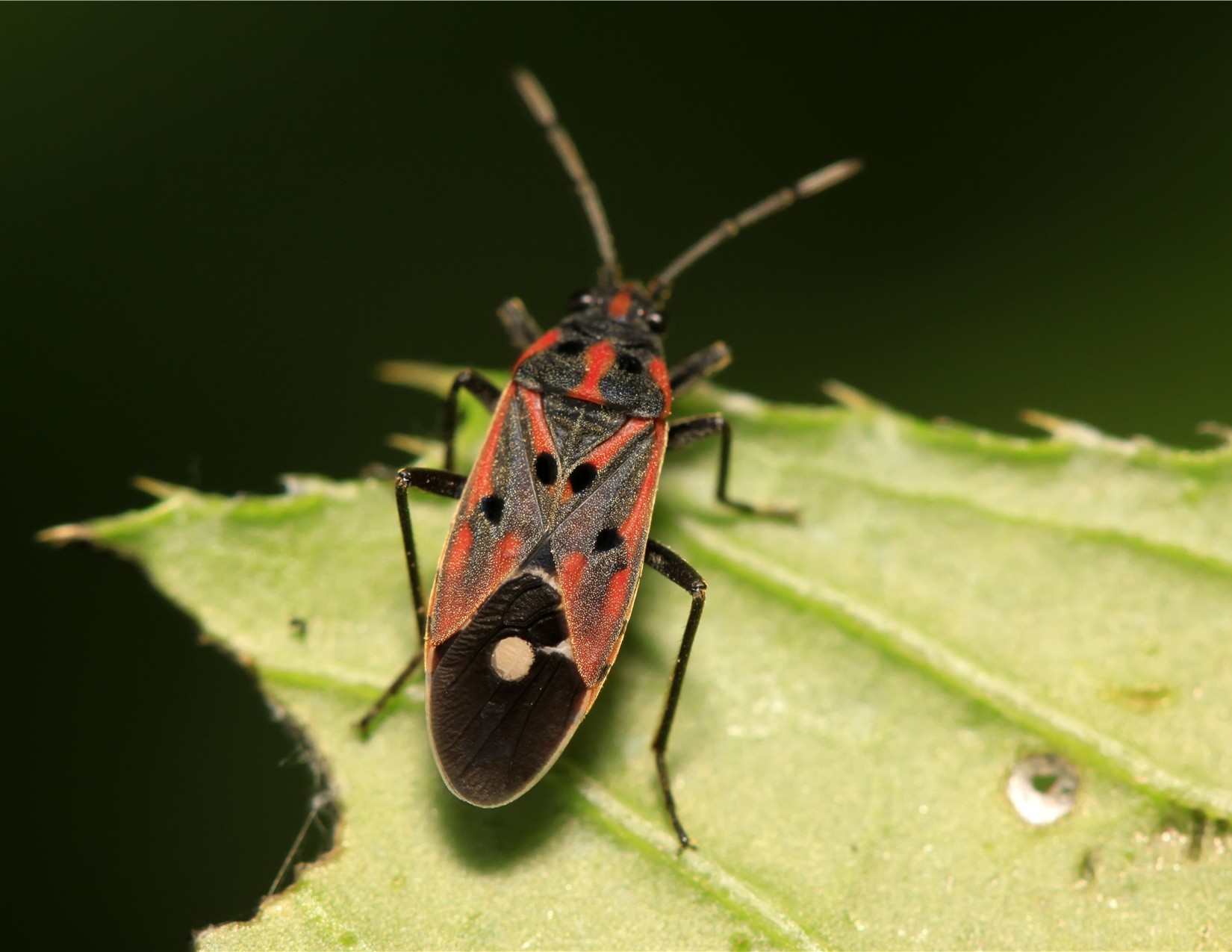
Chinch bugs are small, sap-sucking insects that thrive in Florida’s warm, sunny conditions. They are one of the most damaging lawn pests, especially in St. Augustine grass.
These insects feed on grass blades while injecting toxins that disrupt the plant’s ability to transport water and nutrients.
How Chinch Bugs Kill Grass by Feeding on Plant Sap
Chinch bugs damage lawns in two ways:
- Sap Loss: They drain essential nutrients from grass blades
- Toxin Injection: They block the plant’s ability to move water
This leads to yellowing, browning, and eventual turf loss, even when soil moisture is sufficient.
Early Signs of Chinch Bug Infestation
Chinch bug damage often starts subtly but spreads quickly. Look for:
- Irregular yellow patches that expand over time
- Grass that does not improve with watering
- Thinning turf in localized areas
Unlike drought stress, these patches continue to worsen despite irrigation.
Areas That Chinch Bugs Typically Attack First
Chinch bugs prefer conditions similar to drought stress zones, including:
- Sunny, exposed areas
- Dry sections of the lawn
- Edges near pavement and heat-reflective surfaces
This overlap is what makes misdiagnosis so common.
Irrigation and Insect Control Programs for Effective Chinch Bug Prevention
Proper watering plays a critical role in preventing both drought stress and chinch bug infestations, but irrigation alone will not fix active pest damage.
A healthy irrigation routine should include the following:
- Deep, infrequent watering: About 1 to 1.5 inches per week
- Early morning watering: Reduces evaporation and disease risk
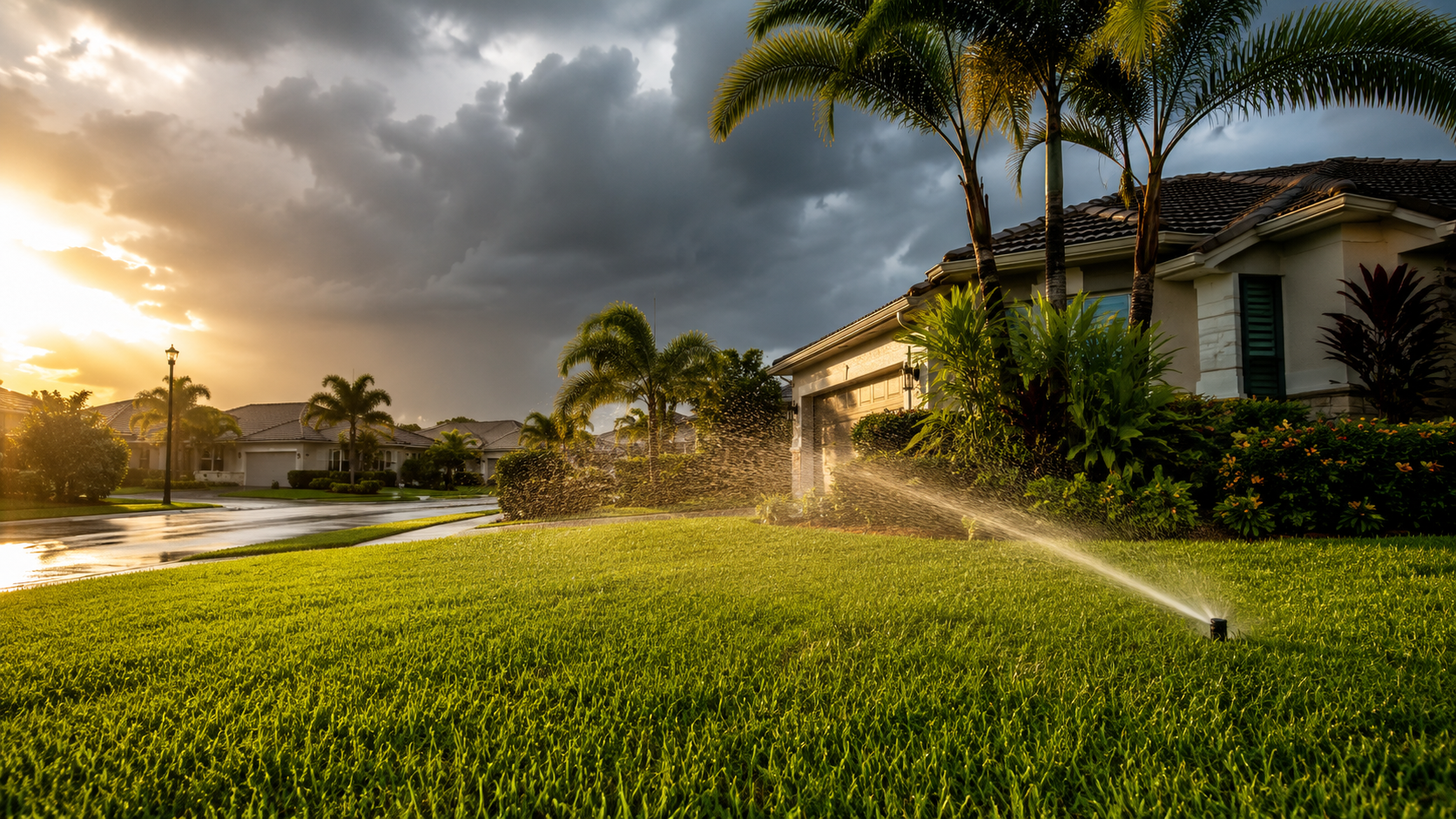
- System checks: Inspect sprinkler heads for clogs, misalignment, and dry spots
While proper watering helps strengthen your lawn and reduce stress, chinch bug damage requires dedicated insect control treatment to effectively stop the infestation.
Well-hydrated lawns develop deeper roots and are less attractive to pests like chinch bugs, which prefer dry, stressed turf.
How to Tell Drought Stress vs. Chinch Bugs Apart
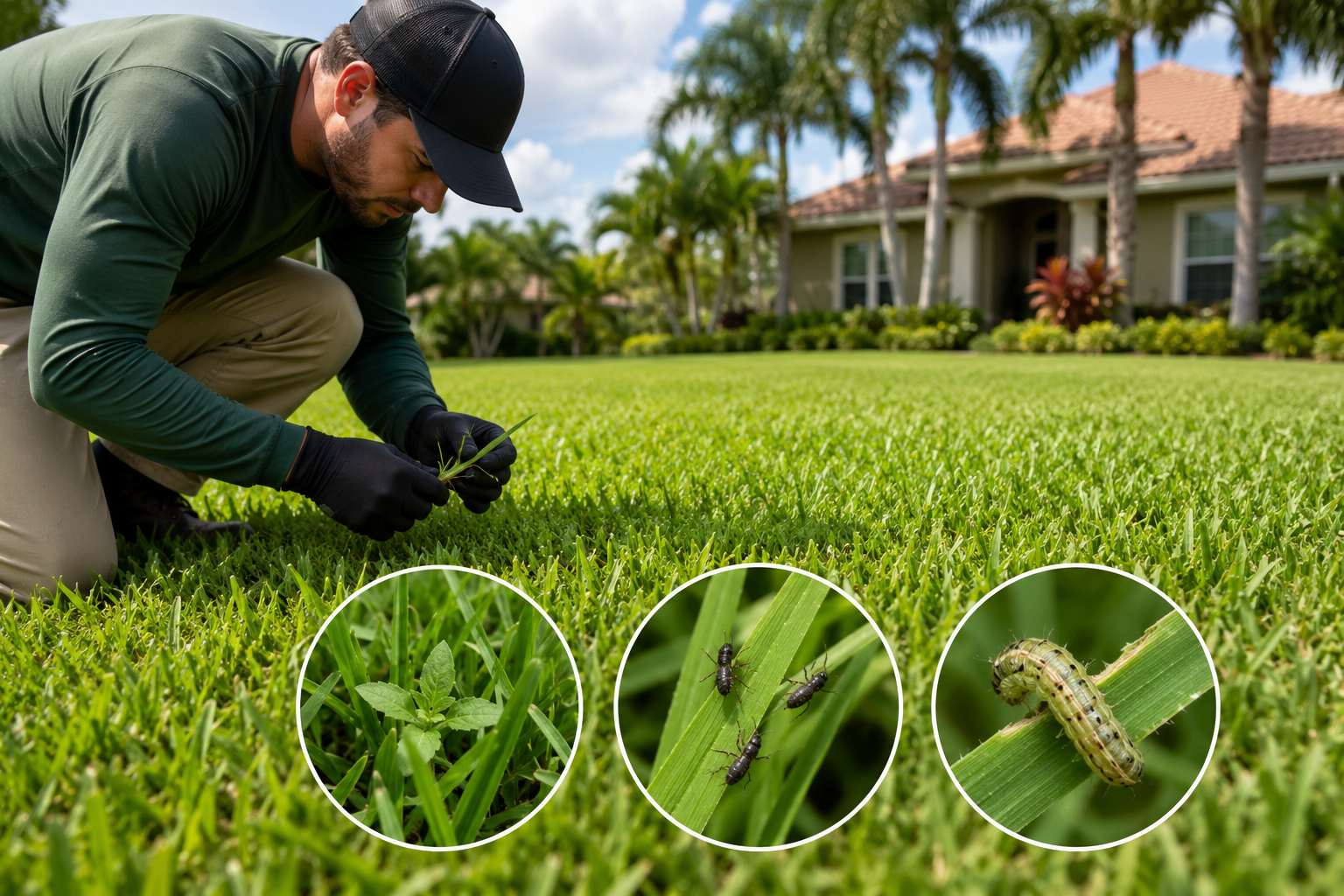
It is not easy to spot the difference between chinch bugs and drought stress because they appear the same on the surface. However, there are some signs and key differences that can help you get the right diagnosis.
How to Accurately Diagnose Drought Stress vs. Chinch Bug Damage
Correct diagnosis is critical before taking action, since similar-looking damage can have very different causes.
Chinch bug infestations often continue to spread despite regular watering, while drought-stressed areas typically show signs of improvement once moisture levels are corrected. The challenge is that early-stage symptoms can overlap, making it difficult to confidently identify the issue without a closer inspection.
This is where professional evaluation becomes essential. Grass Monkey Pest Control assesses lawn conditions, pest activity, and irrigation patterns to accurately identify the root cause and recommend the right course of action before the damage worsens.
Drought Stress vs. Chinch Bug: Misdiagnosis, Preventive Measures and Treatment
Treating the wrong problem can make lawn damage worse.
- Overwatering in response to pests can encourage fungal disease
- Ignoring irrigation issues weakens turf and invites further pest activity
- Misusing DIY treatments often fails to eliminate infestations
Preventive care should focus on proper watering, regular monitoring, and targeted treatments when needed.
Cost of Delaying Proper Diagnosis and Treatment
Waiting too long to identify the issue can increase costs significantly. Early action helps avoid expensive repairs and long recovery times.
- Drought stress can expand into large dormant areas
- Chinch bug infestations can spread and destroy sections of turf
- Severe damage may require re-sodding or full lawn replacement
Why Professional Lawn Care Makes the Difference
When lawn damage continues despite your efforts, professional diagnosis becomes essential. Grass Monkey Pest Control focuses on identifying the real cause behind lawn stress and building treatment plans based on actual conditions.
The services include:
- Lawn fertilization with custom nutrient blends and deficiency diagnosis
- Weed control using pre- and post-emergent solutions
- Surface insect control for chinch bugs and other pests
Not sure what’s causing those brown patches? Let the Grass Monkey team handle it!
Sign up for a FREE assessment!
FAQs
How can I tell if my lawn needs water or has pests?
If your lawn improves after watering, it is likely drought stress. If patches continue to spread despite irrigation, pests may be the cause, and you might be dealing with chinch bug infestation.
Will watering fix chinch bug damage?
No. Chinch bug damage does not respond to watering because the insects interfere with the plant’s ability to use water. You need to go for dedicated insect control treatment to fix chinch bug damage.
What does drought stress look like in grass?
Signs of drought stress lawn make the grass appear bluish-gray in color. The grass also shows visible footprints and eventually turns brown without moisture.
How do I test for chinch bugs in my lawn?
One way to test for chinch bugs is through watering the lawn. If the grass does not green up after it has been watered, a possible reason is chinch bugs. Consult a professional to fix the damage.
Can both drought stress and chinch bugs happen at the same time?
Yes. Dry conditions can weaken turf and make it more vulnerable to pests.
What grass types are most affected by chinch bugs?
St. Augustine grass is the most susceptible in warm climates like Florida.
How quickly can chinch bugs damage a lawn?
Damage can appear within a few weeks and spread quickly if untreated.
Is it better to treat pests or fix watering first?
Accurate diagnosis is essential. Treating the wrong issue will not resolve the problem.
When should I call a professional for lawn damage?
If patches continue spreading or do not respond to watering, it is time to call experts like Grass Monkey Pest Control.
Can my lawn recover after severe damage?
Yes, in many cases. With proper treatment, lawns can recover unless damage is extreme.