.svg)

Chinch Bug Prevention in Florida: How to Protect Your Lawn From Summer Pest Damage
Learn how to identify, prevent, and treat chinch bug damage in Florida lawns before it spreads. This guide covers common signs of chinch bugs, proper lawn watering and mowing practices, stress prevention, and the importance of proactive pest control to protect St. Augustine and warm-season grass throughout Florida’s hot, humid growing season.
Chinch Bug Prevention in Florida: How to Protect Your Lawn Before Damage Starts
In Florida, lawn damage can happen fast, especially during the warmer months when pests become more active. One of the most destructive lawn pests homeowners face is the chinch bug.
If your St. Augustine lawn is turning yellow, thinning out, or developing dry-looking patches that don’t improve with watering, chinch bugs may already be feeding on your grass.
At GrassMonkey Pest Control, we help homeowners across the Tampa Bay area identify lawn pest problems early and prevent costly turf damage before it spreads.
What Are Chinch Bugs?
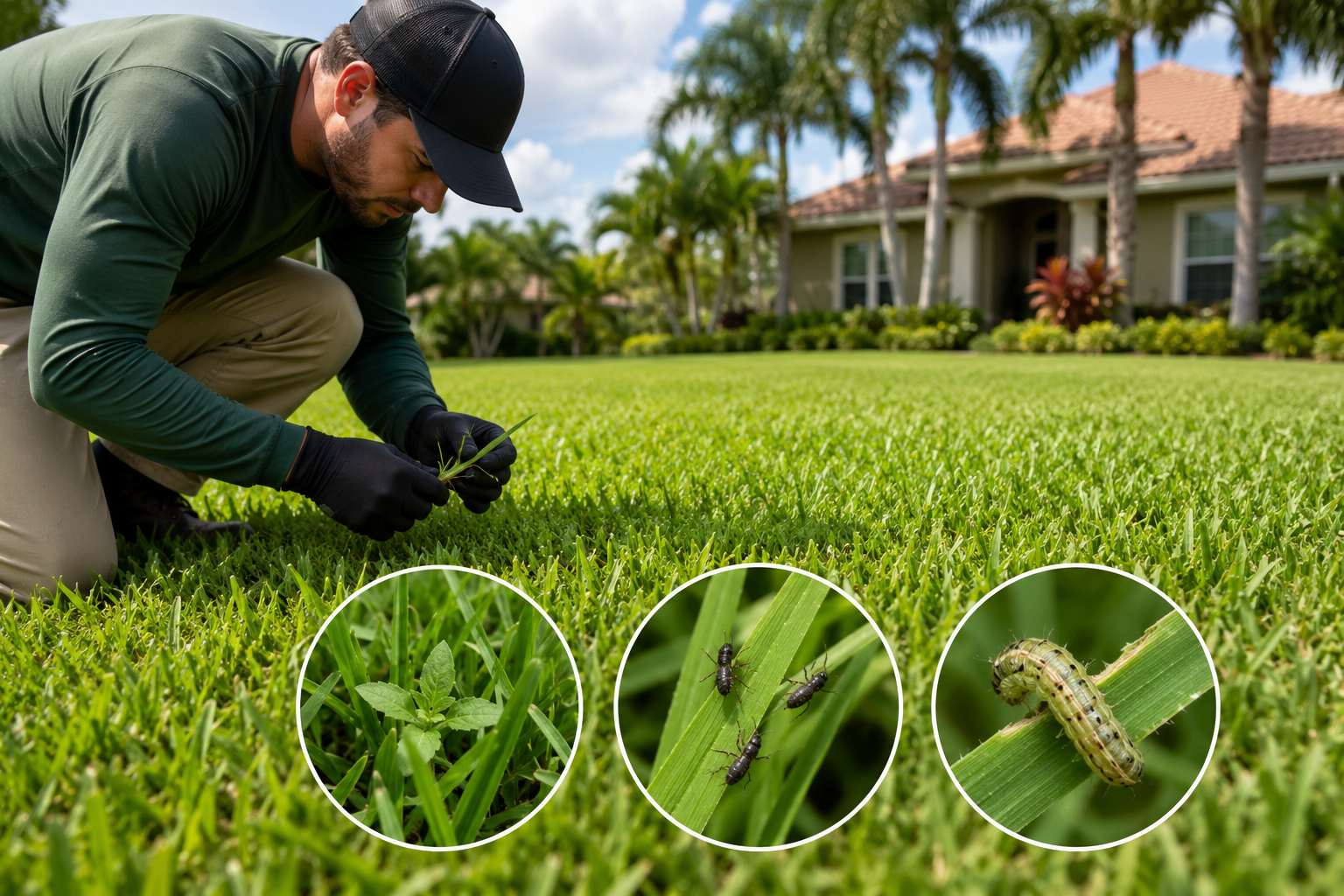
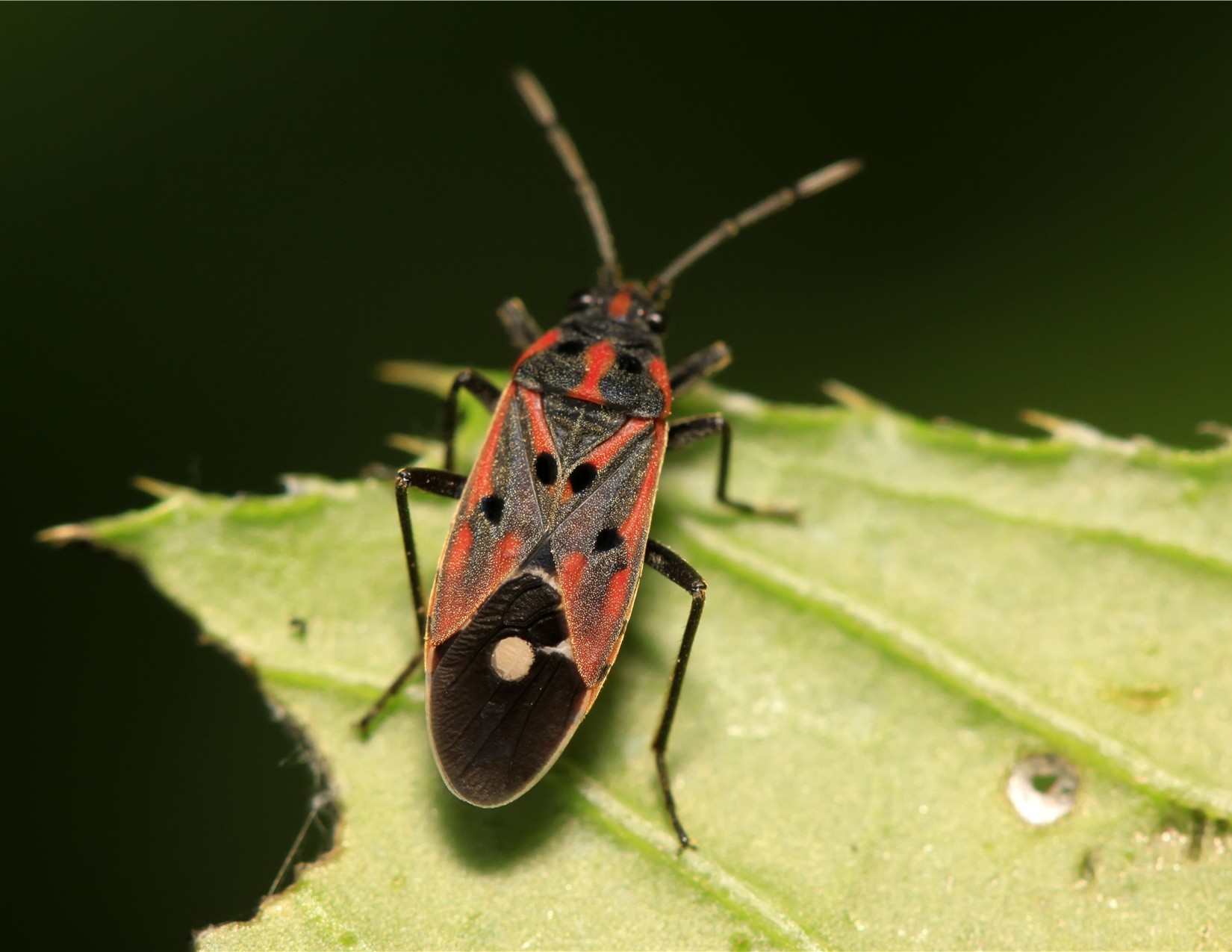
Chinch bugs are tiny lawn insects that feed on grass by piercing the blades and sucking out moisture. While feeding, they also inject toxins into the grass, causing turf to weaken, discolor, and eventually die.
They are especially damaging to:
- St. Augustine grass
- Zoysia grass
- Warm-season Florida lawns
Because chinch bugs thrive in Florida’s heat and humidity, they can quickly spread across a lawn if left untreated.
Signs of Chinch Bug Damage
Chinch bug damage is often mistaken for drought stress or fungal disease. The difference is that watering usually will not fix the problem.
Common signs of chinch bugs include:
- Yellow or brown patches spreading through the lawn
- Grass that appears dry even after irrigation
- Irregular dead spots in sunny areas
- Thinning turf near sidewalks or driveways
- Grass blades turning brittle and crunchy
Many homeowners first notice damage during hot weather when lawns are already stressed from heat and drought conditions.
Why Chinch Bugs Are So Common in Florida
Florida lawns create the perfect environment for chinch bug activity:
- High temperatures
- Humidity
- Long growing seasons
- Frequent drought stress
- Thick St. Augustine turf
When lawns become stressed from improper watering, mowing too short, or poor soil health, chinch bugs become even more aggressive.
Best Practices for Chinch Bug Prevention
The best way to protect your lawn is through proactive lawn care and pest prevention.
Water Properly
Overwatering and underwatering both create lawn stress.
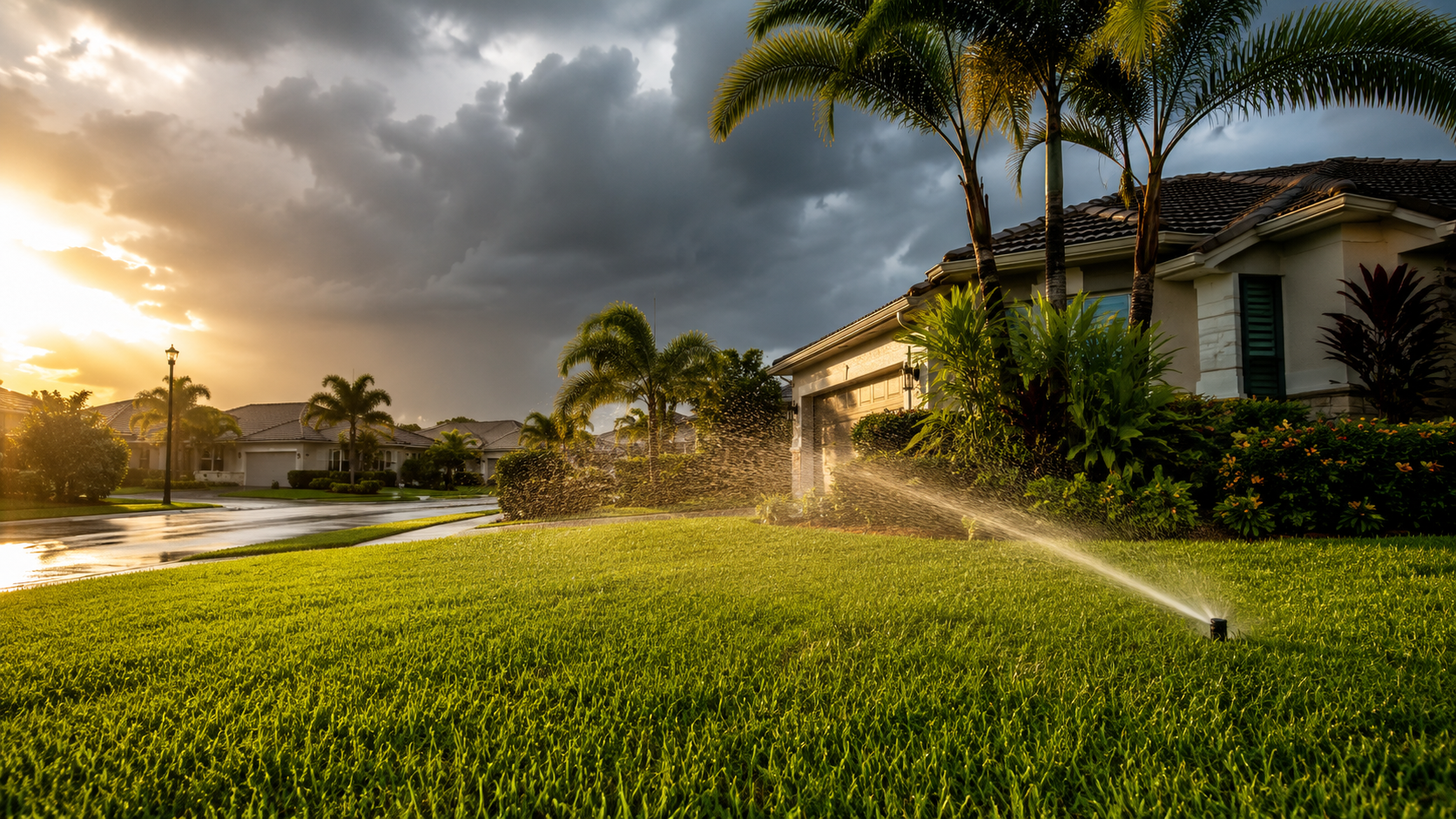
Florida lawns should receive deep, infrequent watering rather than shallow daily watering. Ideally, irrigation should finish before sunrise to help reduce excess moisture and disease pressure if possible.
Healthy, hydrated turf is more resilient against lawn insects and pest damage.
Maintain Proper Mowing Height
One of the biggest mistakes homeowners make is mowing too short.
For St. Augustine grass, maintaining a mowing height around 3.5–4 inches helps:
- Protect roots from heat stress
- Retain moisture
- Improve lawn density
- Reduce pest stress
A thicker lawn naturally makes it harder for chinch bugs to spread.
Reduce Lawn Stress
Stressed turf is far more vulnerable to lawn pests.
Common stress factors include:
- Drought conditions
- Compacted soil
- Poor irrigation coverage
- Excessive heat
- Nutrient deficiencies
Routine fertilization, proper watering, and healthy mowing habits all help strengthen your lawn’s natural defenses.
Schedule Preventative Pest Control
Preventative lawn pest control is the most effective way to stop chinch bugs before damage becomes severe.
Professional lawn pest treatments help:
- Target active chinch bug populations
- Prevent future infestations
- Protect vulnerable turf areas
- Support healthier lawn growth
Waiting until large brown patches appear often means the lawn has already suffered significant damage.
Chinch Bugs vs. Lawn Fungus
Because Florida lawns deal with both insect pressure and fungal disease, homeowners often confuse the two.
Chinch bug damage typically appears:
- In sunny, hot areas
- Near pavement or driveways
- In irregular spreading patches
Lawn fungus often appears with:
- Circular patterns
- Visible lesions or spotting
- Excess moisture issues
A professional inspection can help determine the true cause of lawn decline before unnecessary treatments are applied.
Why Professional Lawn Pest Control Matters
Store-bought products often only treat surface symptoms and may not fully eliminate active infestations.
Professional lawn pest control programs provide:
- Targeted treatment applications
- Seasonal monitoring
- Florida-specific lawn expertise
- Integrated lawn health recommendations
- Long-term prevention strategies
At GrassMonkey Pest Control, our team understands the unique pest pressures Florida lawns face throughout the year and provides customized treatment plans designed for lasting protection.
Protect Your Lawn Before Chinch Bugs Spread
Chinch bug damage can escalate quickly during Florida’s hot season. What starts as a small yellow patch can rapidly become widespread turf loss if left untreated.
The best defense is early detection, healthy lawn practices, and preventative pest control.
If your lawn is showing signs of stress, discoloration, or insect activity, now is the time to act before the damage becomes harder and more expensive to repair.
👉 Contact GrassMonkey Pest Control today to protect your lawn with expert chinch bug prevention and Florida lawn pest control services.